How to manage siding warping effectively requires a sophisticated understanding of material science, thermal dynamics, and precision installation techniques. For the homeowner, seeing a once-smooth exterior transition into a series of unsightly waves or ripples is often a source of significant frustration and financial concern. For the building professional, managing these deformations involves a meticulous diagnostic process that moves beyond superficial aesthetics to address the underlying structural and environmental stressors.
Luxury vinyl siding represents a significant leap in exterior cladding technology, offering enhanced thickness, realistic wood-grain textures, and superior impact resistance. However, even high-end polymers remain susceptible to physical changes when environmental conditions or installation errors exceed the material’s tolerance levels. Recognizing the early warning signs of distortion is the first step in preserving the long-term value and structural integrity of a residential or commercial property.
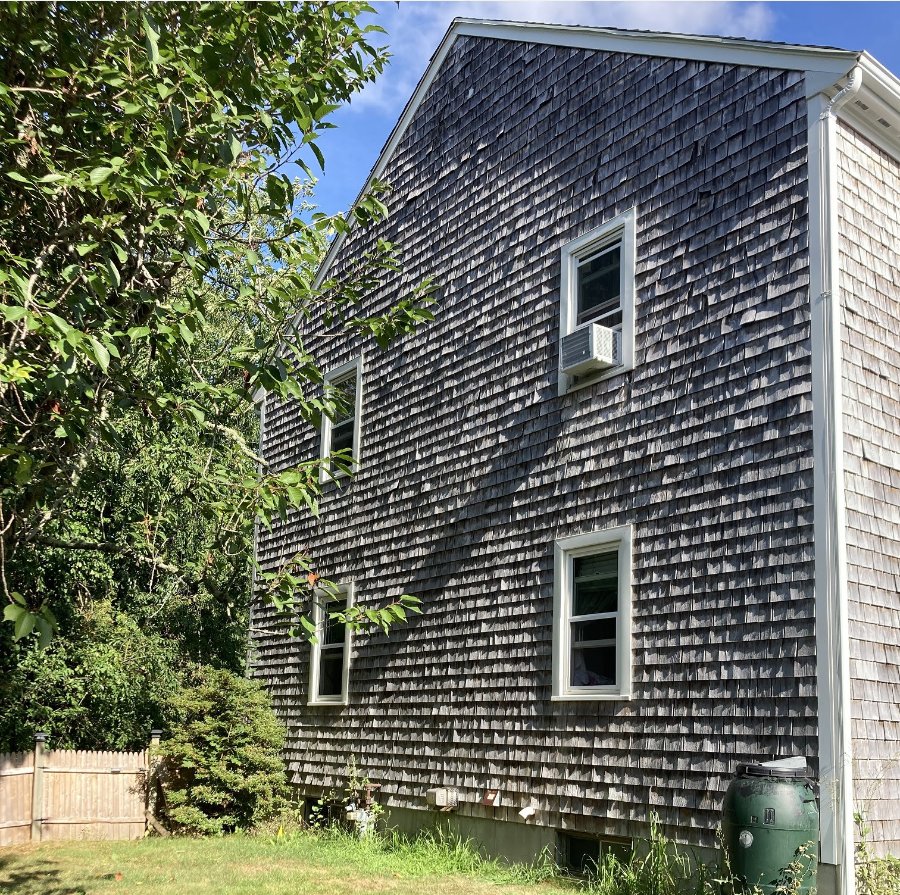
The modern landscape of home exterior maintenance has shifted as architectural designs become more complex and climate patterns grow more extreme. Higher temperatures and the prevalence of energy-efficient Low-E windows have introduced new variables that traditional siding protocols did not fully anticipate. Consequently, a proactive strategy for exterior cladding management is no longer a luxury but a fundamental requirement for modern property stewardship.
How To Manage Siding Warping
Understanding how to manage siding warping begins with the realization that vinyl is a “living” material in the sense that it is constantly expanding and contracting in response to temperature fluctuations. At its core, managing this phenomenon is about controlling movement and ensuring that the siding panels have the necessary “breathing room” to shift without meeting resistance. Think of a luxury vinyl panel as a high-speed train on a track; if the rails do not have expansion gaps, the heat of the sun will cause the steel to buckle under the pressure of its own expansion.
In the professional sphere, warping is often categorized as “thermal distortion” or “oil canning.” While laypeople might use these terms interchangeably, the core essence of the issue usually traces back to one of three factors: restricted movement, excessive heat absorption, or substrate instability. When a panel is nailed too tightly to the wall, it cannot slide horizontally. As it heats up and expands, the material has nowhere to go but outward, creating the characteristic wave pattern known as warping.
A common misunderstanding in the industry is that warping is solely a product of inferior material quality. While thinner, economy-grade siding is certainly more prone to deformation, luxury vinyl can also fail if the installer treats it like a static material such as wood or fiber cement. Effective management necessitates a shift in perspective, viewing the exterior cladding as a dynamic system rather than a fixed shield. By acknowledging the physical properties of polyvinyl chloride (PVC), professionals can implement systems that accommodate natural thermal cycles.
The Molecular Physics Of Pvc Expansion
Vinyl siding is composed primarily of PVC resin, which possesses a relatively high coefficient of linear thermal expansion. This means that a standard 12-foot panel can change in length by as much as half an inch or more between the coldest winter night and the hottest summer day. Managing this requires an understanding of the “glass transition temperature,” the point at which the polymer shifts from a rigid state to a more pliable, rubbery state. Luxury products often include heat-resistant additives to raise this threshold, but the fundamental physical expansion remains a factor that must be mitigated through design.
Reflective Heat And The Concentration Factor
One of the most complex aspects of how to manage siding warping involves the role of reflected sunlight. Modern double-pane windows with Low-E coatings are designed to reflect infrared light away from the interior of a home to reduce cooling costs. Unfortunately, this reflected energy can act like a magnifying glass, focusing a concentrated beam of heat onto the siding of an adjacent wall or a neighboring house. This localized “hot spot” can far exceed the manufacturer’s rated temperature for the siding, leading to rapid and irreversible melting or sagging.
Historical Evolution Of Siding Resilience
The early iterations of vinyl siding in the 1950s and 1960s were often criticized for their fragility and tendency to become brittle under UV exposure. These “old ways” of manufacturing relied on basic PVC blends that lacked the sophisticated stabilizers found in today’s luxury products. During this era, warping was frequently blamed on the material’s inherent “cheapness,” leading to a widespread preference for aluminum or wood despite their own maintenance challenges. The industry standard was reactive: if the siding warped, it was simply replaced with the same faulty installation logic.
Modern standards have evolved toward a holistic “cladding system” approach. Today’s luxury vinyl utilizes multi-layered extrusion processes, incorporating acrylic capstocks for color retention and impact modifiers for structural durability. The shift from “static fastening” to “floating installation” represents the most significant leap in professional practice. We have moved from an era where siding was nailed flush against the house to a sophisticated methodology where fasteners are placed in the center of elongated slots, allowing the panel to “float” as temperatures change.
Persistent assumptions that “tighter is better” continue to plague the industry, often passed down by installers accustomed to wood siding. In the modern context, these outdated methods are the primary driver of warping incidents. The industry now recognizes that the substrate—the wall behind the siding—plays an equally critical role. If the house wrap or sheathing is uneven, even the most expensive luxury siding will eventually mirror those imperfections, leading to a perceived warp that is actually a structural reflection.
Conceptual Frameworks For Managing Material Stress
To master how to manage siding warping, professionals often employ the “Expansion-Contraction Mental Model.” This framework suggests that every fastener, corner post, and J-channel is a potential point of friction. By visualizing the entire siding system as a series of interlocking sliding parts, one can identify where a “pinch point” might occur. For the homeowner, this model helps them understand that a loose-feeling panel is not a sign of poor workmanship but is actually a deliberate design feature intended to prevent buckling.
Another critical framework is the “Thermal Load Assessment.” This involves analyzing the microclimate of each wall on a property. A north-facing wall in a shaded area has a completely different thermal profile than a south-facing wall exposed to direct sunlight and window reflections. Professionals use this model to determine where additional measures, such as heat-shielding underlayments or specific color choices, are necessary to prevent heat-related failures. This prevents the error of applying a “one size fits all” installation strategy to a complex architectural structure.
The “Substrate Integrity Model” focuses on the foundation upon which the siding rests. If the underlying OSB or plywood is rotting or moisture-compromised, it will swell and push against the siding from behind. This framework forces the manager to look past the surface level. It ensures that the diagnostic process includes a check of the building’s moisture barrier and flashing systems, preventing the mistake of replacing warped siding only to have the new panels fail due to the same hidden structural issues.
Variation Matrix Of Siding Systems
Not all vinyl siding is created equal, and the strategy for how to manage siding warping varies significantly based on the product’s profile and composition. Luxury vinyl often features a “rolled-over” nail hem, which provides double the thickness at the fastening point, significantly increasing wind load resistance and reducing the likelihood of the panel sagging under its own weight. Understanding these nuances allows for a more tailored maintenance and installation plan.
| Variation | Target Audience | Core Advantage | Trade-offs | Relative Complexity |
|---|---|---|---|---|
| Standard Grade (.040″) | Budget-conscious rentals | Low initial cost | High warp risk; thin profile | Low |
| Luxury Vinyl (.046″+) | High-end residential | Deep shadow lines; durable | Requires precision floating | Moderate |
| Insulated (Foam-backed) | Energy-efficiency focused | High R-value; rigid feel | Traps heat; expensive repair | High |
| Dark Color Series | Modern aesthetic seekers | Premium curb appeal | High solar heat gain | Very High |
The “Decision Logic” for choosing between these variations depends heavily on the local climate and the proximity of neighboring structures. In a densely packed suburban environment with many Low-E windows, a Dark Color Series luxury vinyl might require specific “cool roof” pigment technology to survive the reflected heat. Conversely, in a temperate, shaded environment, a standard luxury grade may be perfectly sufficient. The goal is to match the material’s thermal resistance to the actual environmental load it will face.
Real-world Scenarios And Applied Logic
In a common suburban scenario, a homeowner notices localized warping on a specific section of the second story. Upon investigation, the warping occurs only during the afternoon hours when sunlight reflects off the neighbor’s high-efficiency windows. The immediate recovery step is not to replace the siding, which would simply warp again, but to address the reflection. This might involve installing a window screen on the neighbor’s window or planting a strategic tree to break the line of sight for the reflected beam.
Consider a professional scenario where a large multi-family complex exhibits widespread “oil canning” across a southern elevation. The diagnostic reveal shows that the installers used power nailers and drove the fasteners tight against the hem. The second-order consequence here is not just aesthetic; the restricted movement has caused the siding to pull away from the J-channels at the corners, creating gaps where water can enter the wall cavity. The recovery involves backing out every third fastener to re-establish the “floating” state of the system.
A third scenario involves warping that appears only near the ground level. This often indicates a “heat trap” caused by dark-colored mulch or decorative stone that absorbs sun and radiates it back up into the lower siding panels. The management strategy here involves replacing the dark mulch with a lighter-colored, less heat-absorbent material. This demonstrates that how to manage siding warping often requires looking at the entire landscape rather than just the wall itself.
Planning, Cost, And Resource Dynamics
Managing siding warping is a matter of “pay now or pay much more later.” The direct cost of luxury vinyl is higher than standard grade, but the hidden cost of frequent repairs on cheap siding often exceeds the initial investment within five to seven years. Professionals must account for the opportunity cost of a degraded property exterior, which can reduce home value and curb appeal significantly. Budget-friendly strategies should focus on high-quality installation over high-volume material purchases.
| Category | Entry-Level Scenario | Professional Standard | Enterprise/High-End | Key Nuance |
|---|---|---|---|---|
| Initial Install | $3,500 – $6,000 | $8,000 – $15,000 | $25,000+ | Labor skill is the primary variable |
| Localized Repair | $200 – $500 | $600 – $1,200 | $2,000+ | Matching dye lots is difficult |
| Maintenance/yr | $50 (DIY) | $200 (Inspect) | $500+ (Cleaning/Logs) | Prevention prevents total failure |
One of the most expensive errors in this field is the “partial patch.” When a single warped panel is replaced, the new panel often stands out because the surrounding panels have slightly faded due to UV exposure. A professional standard involves “shuffling” panels—taking an inconspicuous piece of original siding from a low-visibility area to use for the repair, and putting the brand-new piece in the hidden spot. This ensures aesthetic continuity while managing the physical defect.
The Professional Toolkit And Strategy Ecosystem
The “Real Problem” a professional faces isn’t just the warp itself, but the unpredictability of environmental heat. Specialized tools like infrared thermometers are now essential for diagnosing solar hotspots. By measuring the surface temperature of the siding during peak sunlight, a professional can determine if the warping is caused by an installation error or by an environmental factor that exceeds the material’s specifications. If the temperature exceeds 160 degrees Fahrenheit, almost any vinyl product will begin to soften.
Advanced fasteners, such as “slotted-head” screws or specialized siding nails with wide, flat heads, are designed to facilitate movement. These tools solve the problem of traditional nails being driven too deep or at an angle. Furthermore, the use of “siding removal tools” (often called “zip tools”) allows for the non-destructive inspection of the nail hem. This integration of diagnostic and corrective tools allows for a surgical approach to how to manage siding warping without requiring the tear-down of an entire wall.
However, these tools have hidden limitations. An infrared thermometer can tell you it’s hot, but it cannot tell you *why* the substrate is holding that heat. A zip tool can show you a tight nail, but it doesn’t fix the fact that the panel was cut too long for the receiving channel. The strategy must involve a larger system of “gap management,” where every termination point—windows, doors, corners—is checked for the mandatory 1/4-inch to 1/2-inch clearance required for thermal movement.
Risk Landscape And Failure Modes
The risk of ignoring warped siding is rarely just cosmetic. Structural failure modes occur when warped panels create “pockets” that trap moisture against the house sheathing. Over time, this moisture leads to wood rot, mold growth, and the compromise of the wall’s R-value. This is a classic example of a “compounding financial leak,” where a $200 siding issue evolves into a $20,000 structural remediation project. Operational errors, such as using the wrong type of caulk, can also contribute; if a caulk is too rigid, it “locks” the siding in place, triggering the very warping it was meant to seal against.
Human error remains the most significant risk factor. Many installers, under pressure to move quickly, do not center their nails in the slots. If a nail is placed at the far end of a slot, the panel can only expand in one direction. If it hits an obstacle in that direction, it will bow. To mitigate this, professionals should implement a “fastener audit” during installation, randomly checking panels to ensure they can be slid back and forth by hand. If the panel is immovable, it is a ticking time bomb for future warping.
A systemic failure can also arise from “color-matching mismatch.” When dark-colored luxury vinyl is installed without a clear understanding of its solar heat gain coefficient (SHGC), the risk of “heat distortion” increases exponentially. This is why many high-end manufacturers will void warranties if dark colors are installed over certain types of insulation or in specific geographic regions without proper ventilation. Managing risk means staying within the “operational envelope” defined by the manufacturer’s technical data sheets.
Governance, Maintenance, And Sustainability
Static systems fail because the environment is dynamic. Effective governance of a home’s exterior requires a schedule of “Dynamic Adaptation.” This means inspecting the siding not just once a year, but specifically after extreme weather events or seasonal shifts. The goal is to catch a “bowing” panel before it becomes a “melted” panel. A well-maintained luxury vinyl system can last 30 to 50 years, but only if the fasteners remain loose and the drainage planes remain clear.
- Quarterly visual inspection of all south and west-facing elevations for early signs of oil canning.
- Annual “slip test” where a few accessible panels are checked for horizontal movement.
- Bi-annual cleaning with low-pressure water to remove grit from the interlock, which can cause friction and noise.
- Immediate assessment of any new neighboring structures or window replacements that might change the solar profile of your walls.
- Documentation of all repair dates and dye lot numbers for future maintenance cycles.
Preserving quality over time also involves managing the vegetation around the home. Overgrown shrubs can trap heat and humidity against the siding, while trees that provide shade can significantly reduce the thermal load on the panels. Sustainability in this context means maximizing the life of the existing material to avoid the environmental cost of manufacturing and disposing of vinyl. A proactive maintenance cycle is the most effective way to ensure the siding remains a long-term asset rather than a recurring liability.
Measurement, Kpis, And Evaluation
Success in how to manage siding warping can be measured through “Leading Indicators” like expansion gap measurements. A professional can use a simple feeler gauge or a marked ruler to ensure that a 1/4-inch gap exists inside every J-channel during a moderate 70-degree day. If that gap is missing, it is a leading indicator that warping will occur when temperatures hit 90 degrees. Conversely, “Lagging Indicators” include the presence of visible ripples or the sound of “popping” or “creaking” during the heat of the day.
Documentation is key to proving success to stakeholders or future buyers. A maintenance log that includes photos of the “float test” (showing the siding being moved manually) provides tangible evidence that the system was installed and maintained correctly. Another realistic reporting example is a “Thermal Map” of the home’s exterior, created with an infrared camera, which identifies hotspots before they cause physical damage. This level of detail moves maintenance from guesswork to a data-driven professional standard.
To prove success to a layperson, a professional can demonstrate the “resiliency factor.” This involves showing that even after a record-breaking heatwave, the siding has returned to its original flat state. This indicates that the expansion gaps worked as intended. If the siding stays warped after the temperature drops, the system has failed the evaluation, and the “set” in the plastic has become permanent. True success is a cladding system that remains invisible because it is functioning perfectly.
Common Misconceptions And Mitos
A prevalent myth is that warping is always caused by the sun. In reality, warping is often the result of “structural settling.” If a house settles unevenly, the walls can shift, putting mechanical pressure on the siding panels that has nothing to do with heat. Another common misconception is that “more nails make the siding more secure.” In the world of vinyl, more nails actually increase the number of points where friction can occur, making warping more likely if the nails are not perfectly centered.
Many homeowners believe that “insulated siding won’t warp because it’s stiffer.” While it is true that the foam backing provides structural rigidity, it also acts as a thermal barrier that can trap heat within the vinyl skin. If not vented correctly, this can lead to a “delamination warp” where the vinyl pulls away from the foam. Furthermore, the idea that “darker colors are always a bad idea” is outdated. Modern luxury vinyl uses “cool-pigment” technology that reflects infrared light, allowing for deep blacks and charcoals that stay significantly cooler than old-school dark pigments.
There is also the myth that warped siding can be “heat-gunned” back into shape. This is a dangerous “cheap fix.” Using a heat gun on PVC usually results in uneven heating, which can lead to “blistering” or a complete loss of the material’s structural integrity. Once a panel has reached its heat distortion point and “set” into a new shape, the molecular bonds have been permanently altered. The only reliable professional fix is replacement and the correction of the underlying cause.
Ethical, Contextual, And Practical Limits
There are clear boundaries to how to manage siding warping. If a home is located in an area with extreme solar concentration—such as being sandwiched between two glass-heavy skyscrapers—vinyl siding may simply be the wrong material for that specific context. In these “Gray Areas,” an ethical professional must advise the client that even luxury vinyl will likely fail, and a move to a non-polymeric material like fiber cement or engineered wood may be necessary. Forcing a material to perform outside its physical limits is a recipe for long-term failure.
Practical limits also apply to repairs. While it is possible to replace a single panel, the aesthetic “limit” is often reached when the siding is more than ten years old. The UV degradation of the surrounding panels will make any new addition look like a glaring patch. At this point, the trade-off between the cost of a full-wall replacement and the aesthetic compromise of a patch must be weighed. Managing these expectations is a critical part of the professional’s role, ensuring the client understands the lifecycle of the product.
The current era of “Extreme Weather” has also pushed the boundaries of traditional siding. We are seeing temperatures in some regions that were not anticipated when current building codes were written. Consequently, “over-engineering” the expansion gaps—going to 1/2-inch instead of the minimum 1/4-inch—is becoming a common practical adaptation. This allows for a margin of safety against unprecedented heatwaves, acknowledging that the climate of tomorrow may be more demanding than the climate of today.
Logic Synthesis And Conclusion
Synthesizing the management of siding warping requires a balance between rigorous systemic process and situational judgment. It is not enough to simply follow an installation manual; one must analyze the specific thermal, structural, and environmental variables of the site. The core logic of the “floating system” remains the most effective defense against deformation, ensuring that the natural physics of PVC expansion are accommodated rather than fought. When installation precision meets material science, the result is a durable, high-performance exterior that stands the test of time.
Ultimately, the successful management of luxury vinyl siding is a continuous cycle of observation and adjustment. By moving away from reactive “fixes” and toward a proactive framework of thermal load management and fastener audits, property owners can protect their investment. The complexity of modern building materials demands a sophisticated approach, where the smallest detail—the depth of a nail head—can be the difference between a pristine facade and a systemic failure. Mastery in this field is found in the quiet perfection of a system that moves freely and remains flawlessly aligned through the changing seasons.
Frequently Asked Questions
Can I Just Push The Warped Siding Back Into Place?
No, because warping in vinyl siding is usually a permanent physical deformation caused by heat exceeding the material’s distortion point. Simply pushing on the panel will not resolve the molecular “set” of the plastic, and the panel will likely return to its warped shape or crack under the pressure.
Is Warping Always Covered By A Manufacturer’s Warranty?
Warranties typically cover manufacturing defects, but they often exclude warping caused by improper installation (like tight nailing) or environmental factors like reflected heat from Low-E windows. It is essential to have a professional inspection to determine the root cause before filing a claim.
What Is The Most Common Reason For Luxury Siding To Warp?
The most frequent cause is “restricted movement” due to fasteners being driven too tightly into the nail hem. This prevents the panel from expanding horizontally as it heats up, forcing the material to bow outward and create the wavy appearance known as warping.
How Do I Stop My Neighbor’s Windows From Warping My Siding?
The most effective method is to break the concentrated beam of light using exterior window screens on the neighbor’s windows, which diffuse the reflection. Alternatively, planting tall hedges or installing a privacy fence can block the path of the reflected light before it hits your siding.
Does Dark-colored Siding Warp More Than Light-colored Siding?
Dark colors absorb more solar energy and can reach higher temperatures than lighter colors, which does increase the risk of warping. However, luxury vinyl often uses specialized heat-reflective pigments to mitigate this, making the installation quality more important than the color itself.